|
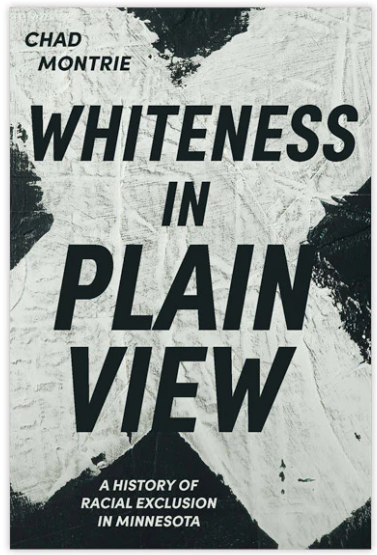
The March Book Club selection is Whiteness in Plain View: A History of Racial Exclusion in Minnesota by Chad Montrie. This book is published by the Minnesota Historical Society Press, who describes the book thus: Whiteness in Plain View examines the ways White residents across Minnesota acted to intimidate, control, remove, and keep out African Americans over the course of the nineteenth and twentieth centuries. Their methods ranged from anonymous threats, vandalism, and mob violence to restrictive housing covenants, realtor deceit, and mortgage discrimination, and they were aided by local, state, and federal government agencies as well as openly complicit public officials. What they did was not an anomaly or aberration, in some particular place or passing moment, but rather common and continuous. Chapter by chapter, the book shows that Minnesota’s overwhelming Whiteness is neither accidental nor incidental, and that racial exclusion’s legacy is very much woven into the state’s contemporary politics, economy, and culture.
Impact on Communities: But redlining is illegal now. How does it affect people today?
Since redlined areas were overtly denied opportunities to develop, it left those neighborhoods and residents falling behind other neighborhoods, where businesses, schools, and housing (including property prices) grew. Even though redlining as a practice has been illegal since the passing of the Fair Housing Act in 1968, the build-up of suppressed growth has made it so communities of color still feel the effects today. According to a study by the National Community Reinvestment Coalition, 74 percent of the neighborhoods that were redlined in the 1930s are low-to-moderate income neighborhoods today, and 64 percent are also majority minority neighborhoods. Redlining curbed the economic development of minority neighborhoods, miring many of these areas in poverty due to a lack of access to loans for business development. After 30-plus years of underinvestment, many nonwhite neighborhoods continue to be seen as risky for investors and developers. From Bankrate.com: Aug 4, 2023 Impact on Health: According to the National Institutes of Health, "Historical redlining is linked to increased risk of diabetes, hypertension, and early mortality due to heart disease with evidence suggesting it impacts health through suppressing economic opportunity and human capital, or the knowledge, skills, and value one contributes to society. " Read the full article at this link. Impact on Temperature: Inside Climate News reports that a study of 108 historically redlined cities nationwide found temperature differences between redlined neighborhoods and more affluent neighborhoods in 94 percent of them, and that the differences were consistent with racial and economic makeup. The greatest differences were in the Southeast and West, while the Midwest displayed the least. A growing volume of evidence suggests the temperature differences are no coincidence. Nationwide the hottest urban areas tend to be the neighborhoods with low-income communities and communities of color. In nearly every instance, researchers can trace a link to a nearly century-old federal program aimed at helping homeowners during the Great Depression that was turned against those who needed it most, because of a practice known as redlining. This article is a short read and quite powerful. Click here. Impact on educational outcomes: The National Low Income Housing Association, "The Annenberg Institute for School Reform at Brown University recently released a new working paper exploring the impact of historical redlining policies on educational outcomes, including school district funding, school diversity, and student performance. The findings demonstrate that districts and schools currently located in formerly redlined neighborhoods have significantly less per-pupil revenues, larger shares of Black and non-white student bodies, less diverse student populations, and lower average test scores compared with those located in neighborhoods that were not redlined.“While much of the literature today shows redlining’s negative effects on outcomes such as housing prices, neighborhood segregation, and crime, very few studies, if any, look at the intergenerational relationship between redlining and present-day educational outcomes,” write the authors. “These findings suggest that education policymakers need to consider the historical implications of redlining and past neighborhood inequality on neighborhoods today when designing modern interventions focused on improving life outcomes of students of color.” Read the study’s findings here."
0 Comments
In the LWV ABC session on August 14, Chris Lord (District Manager of the ACD) gave a presentation on the need for a groundwater specialist at the Anoka Conservation District. ACD will be making a request to include funding for this position in the county budget to the Anoka County Board's Intergovernmental Committee on August 23 at 1pm. Chris has asked for comment on his presentation - we've posted it here. Comments should be sent to Chris at [email protected] by Friday, August 18. 
If you agree that this would be a good thing for the county to fund, you could contact your Anoka County commissioner before the August 23 meeting and tell them so as an individual. LWV ABC has not yet made a formal decision to support this; we will set a meeting and take a vote yet the week of August 14. Watch your email for updates. Here are some additional resources from the email we sent on August 11 advertising this meeting. Anoka Conservation District is requesting an increase in funding from Anoka County to add a Groundwater Specialist to their staff in 2024. Currently, there is no Anoka employee dedicated full-time to groundwater.
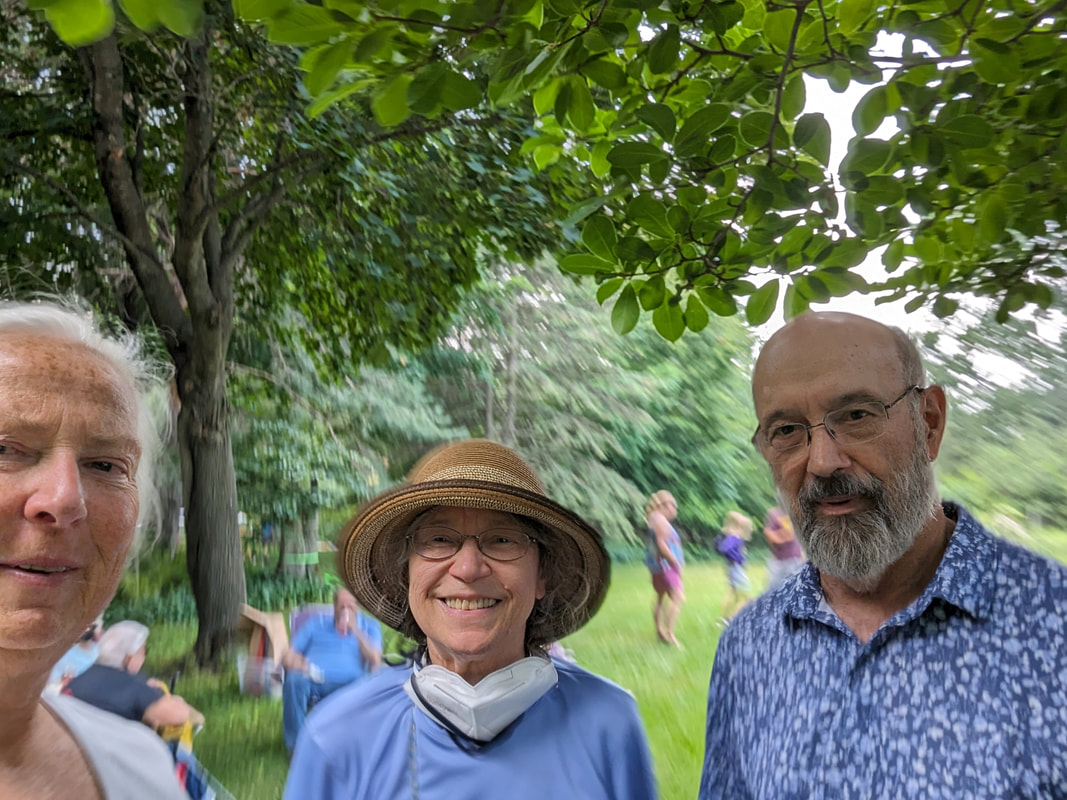
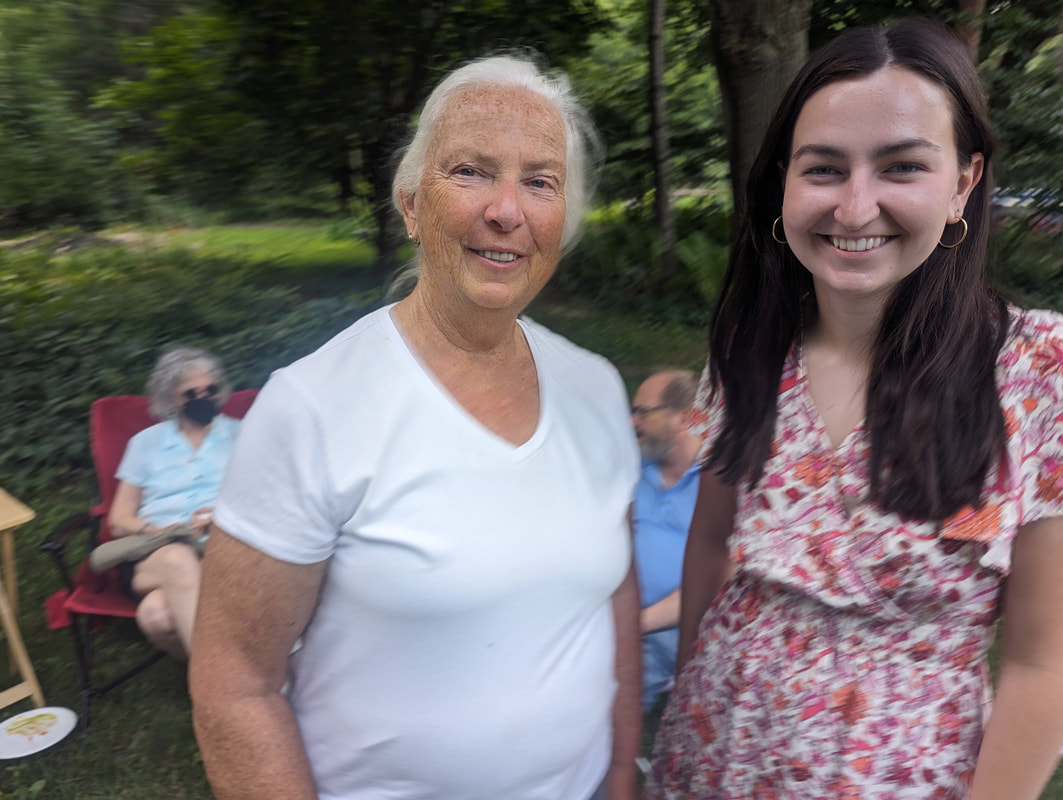
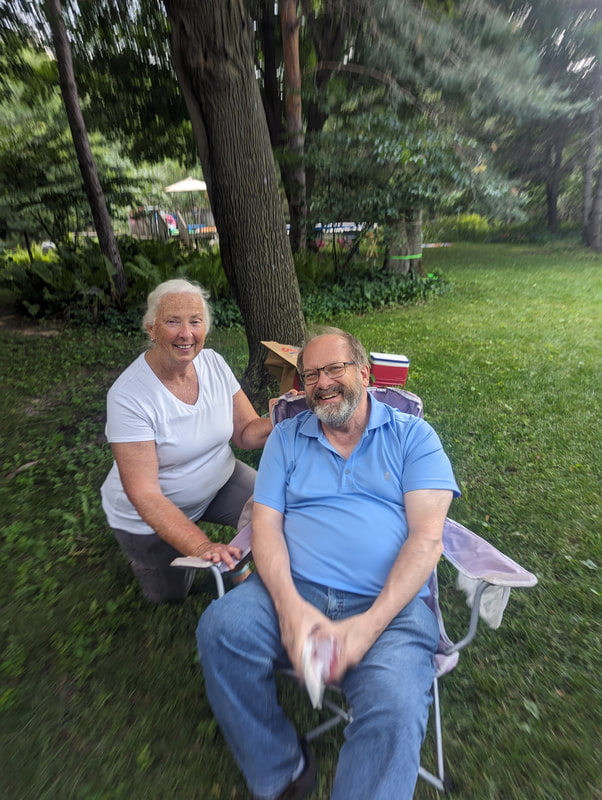
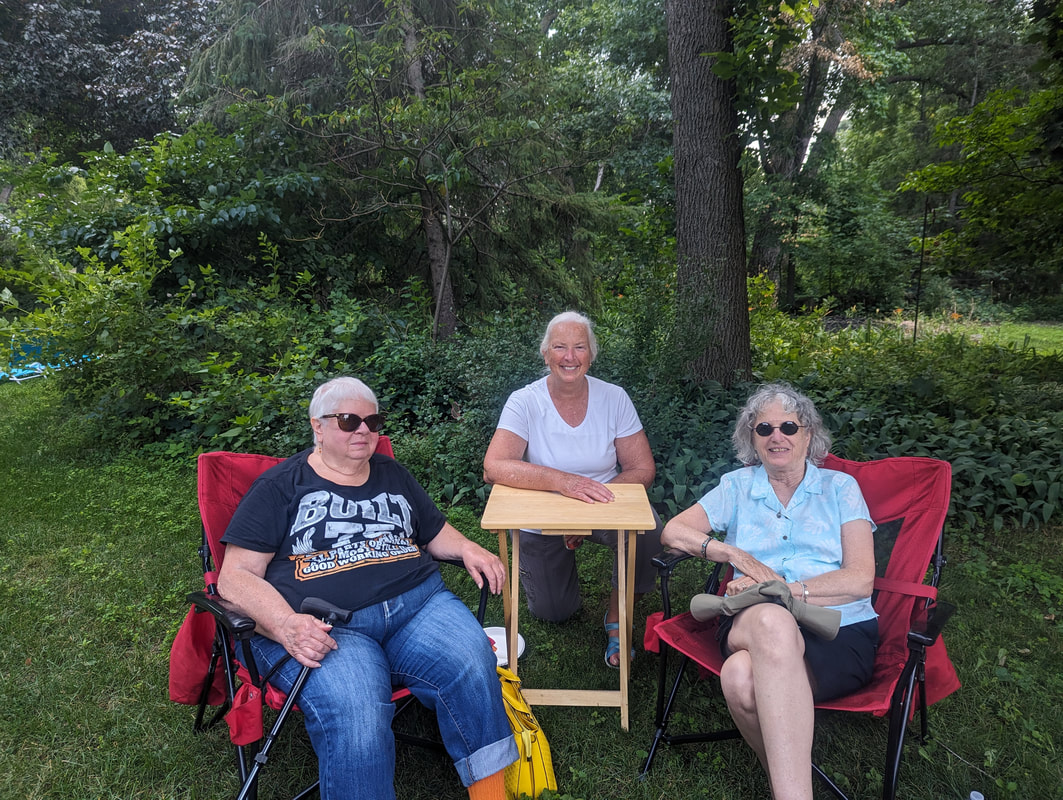
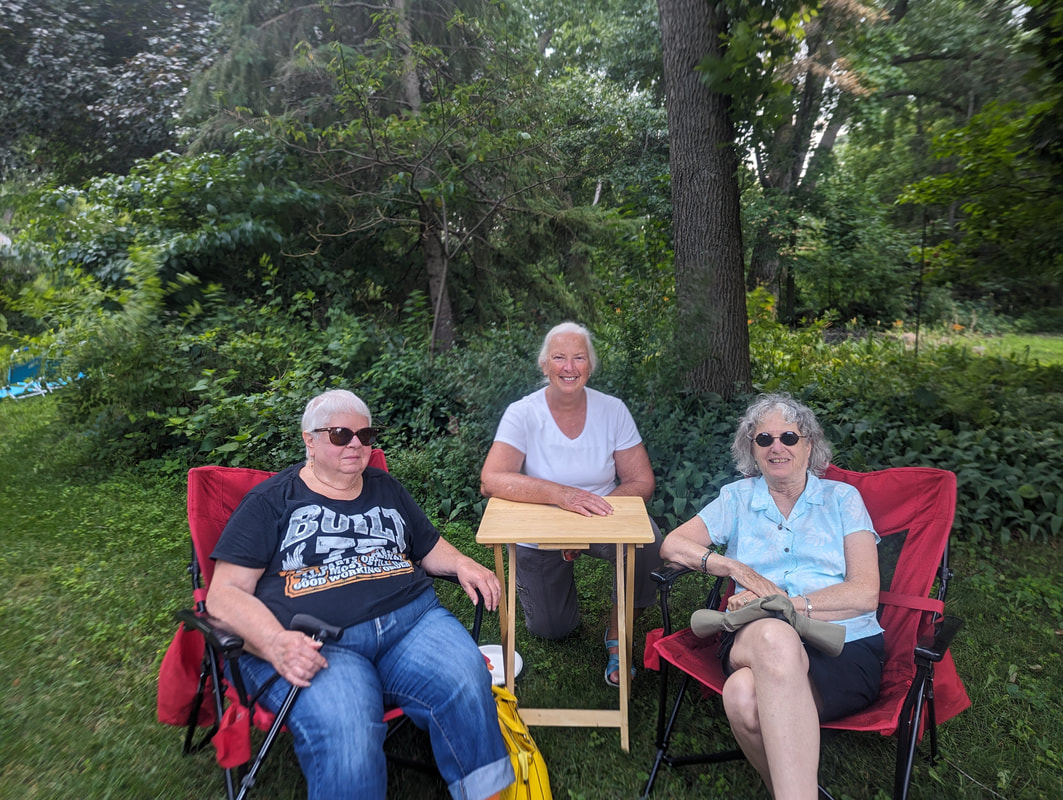
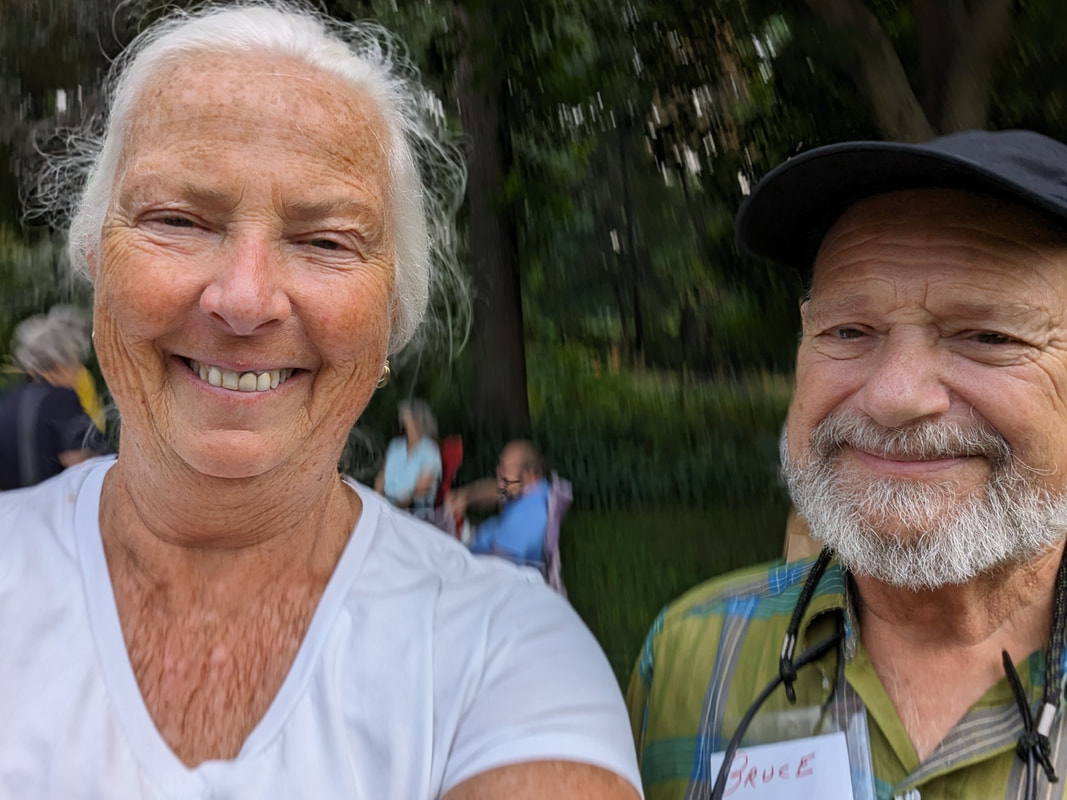
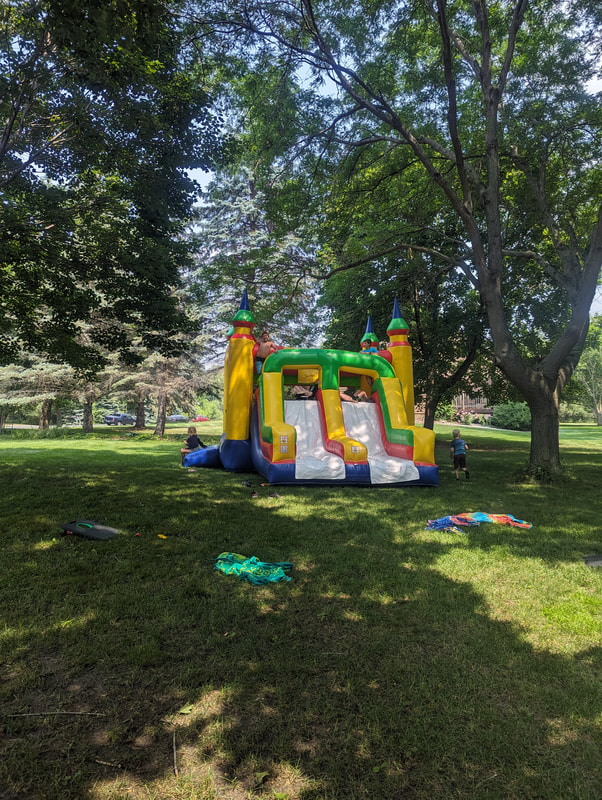
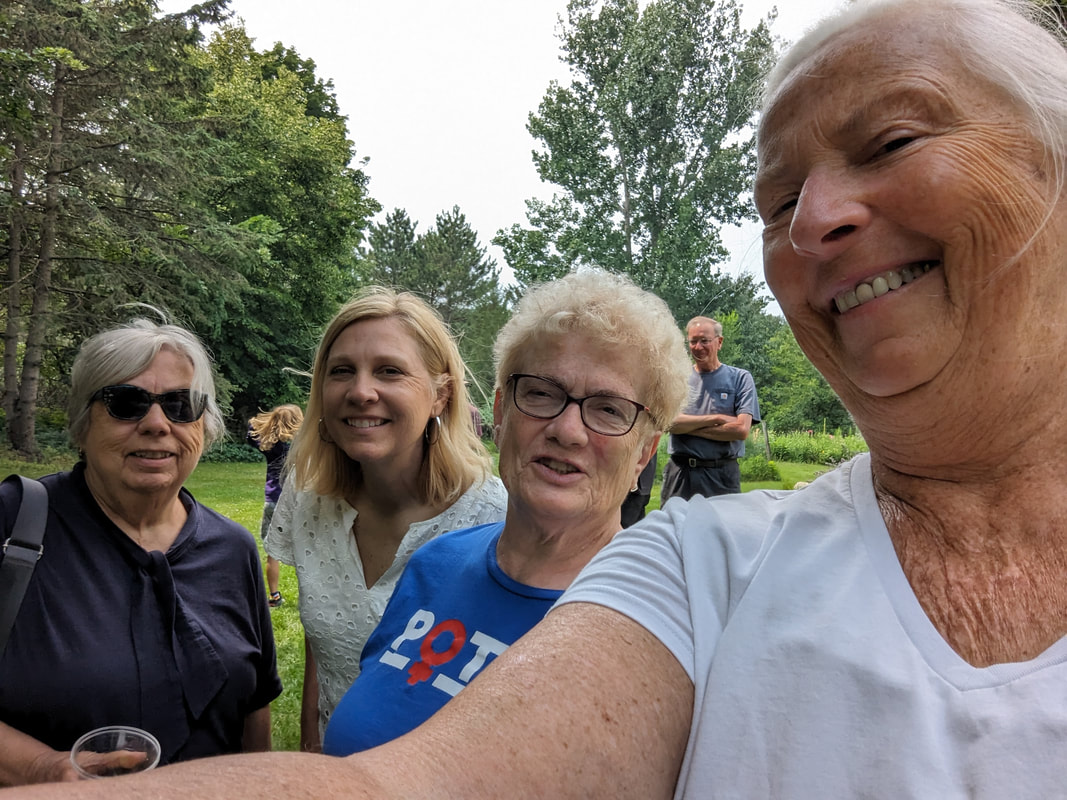
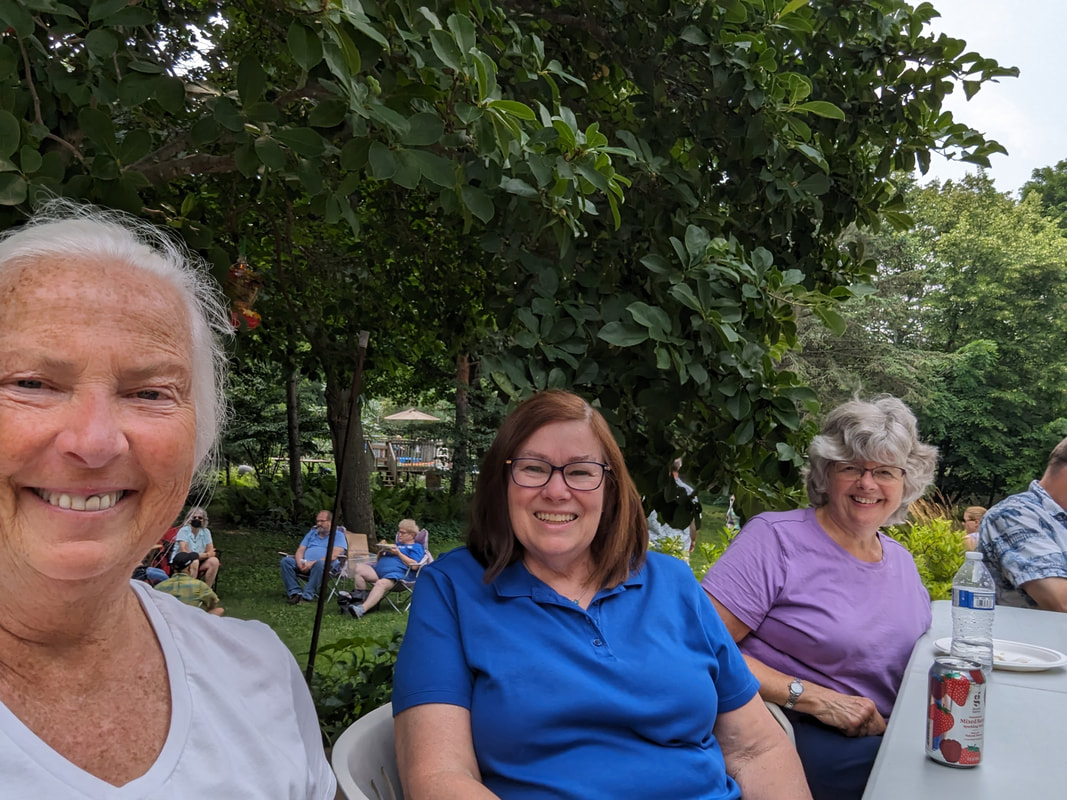
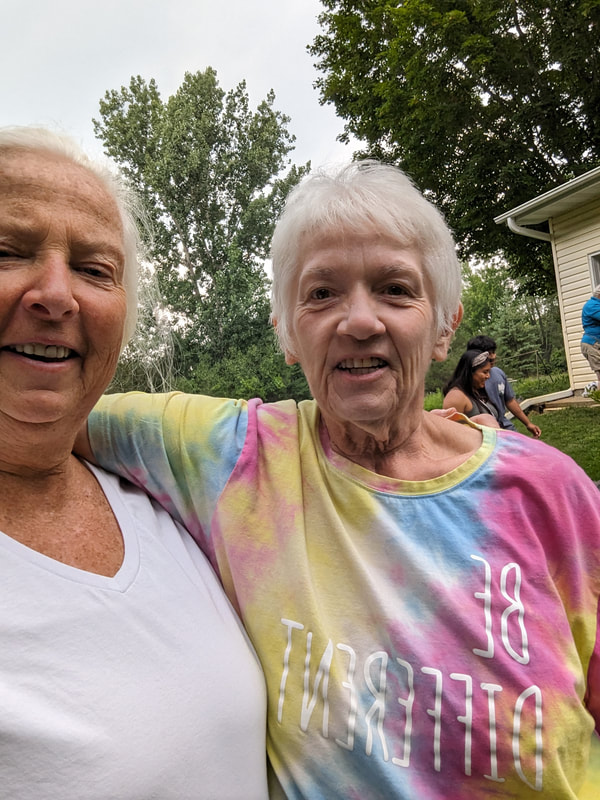
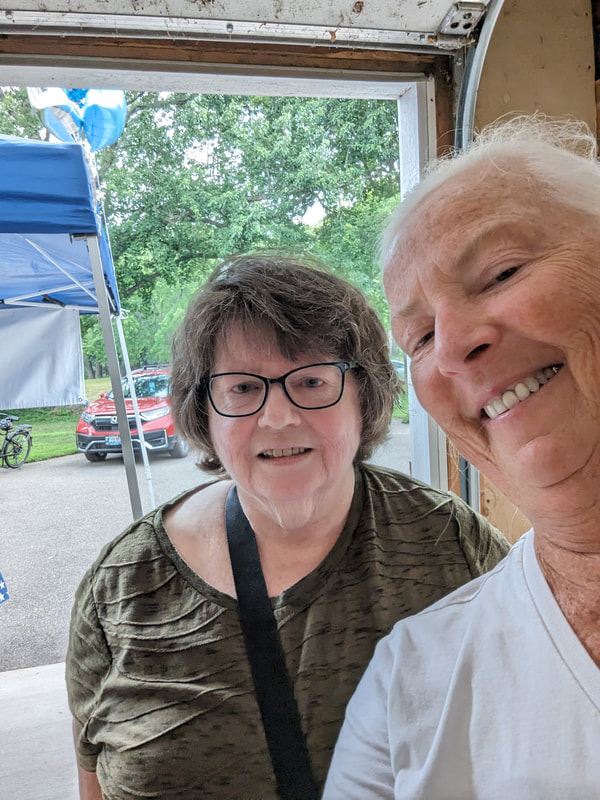
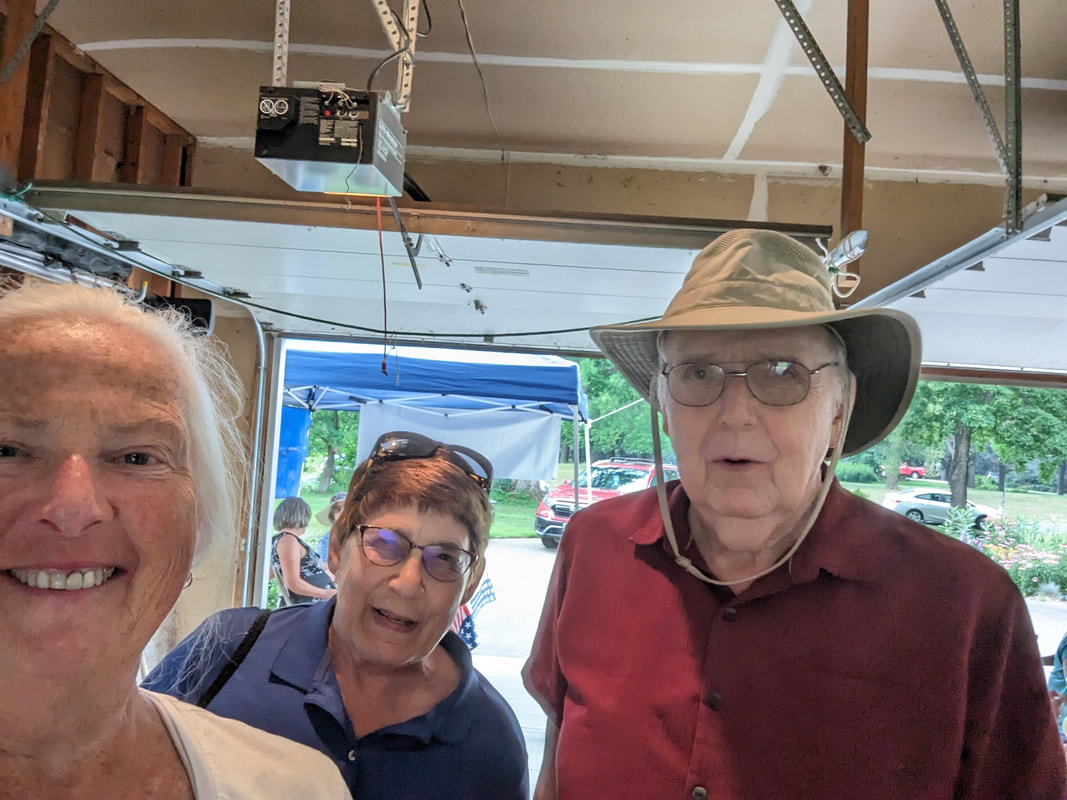
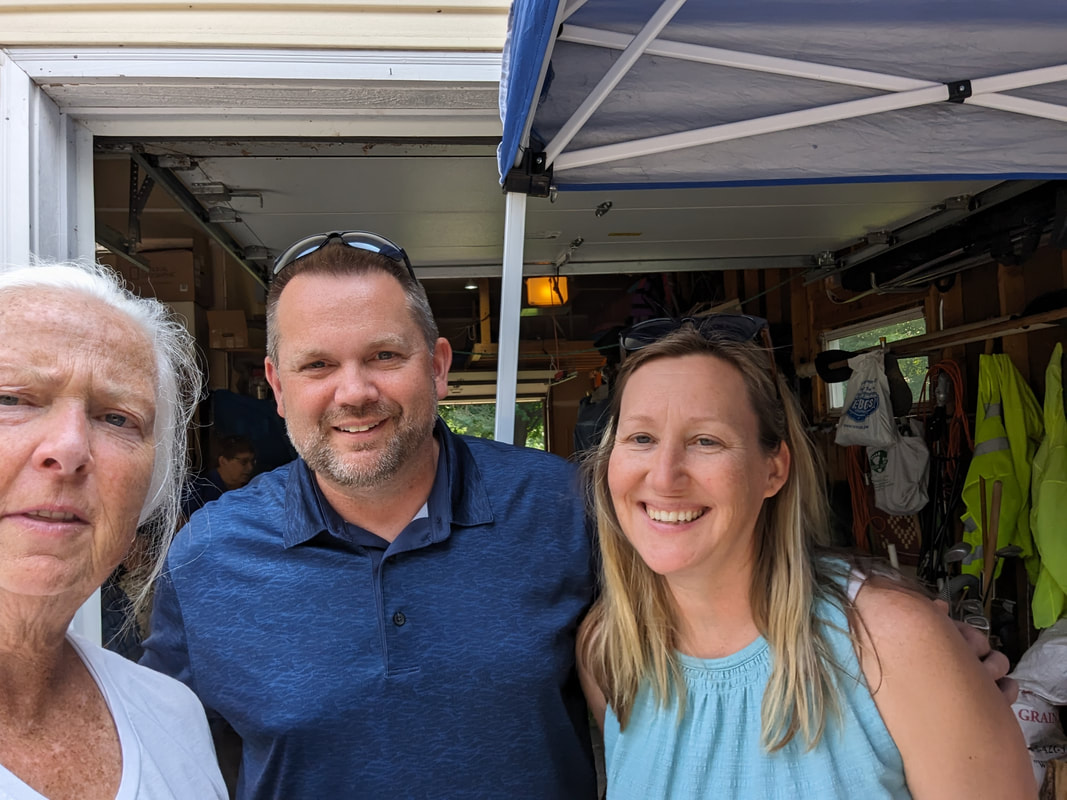
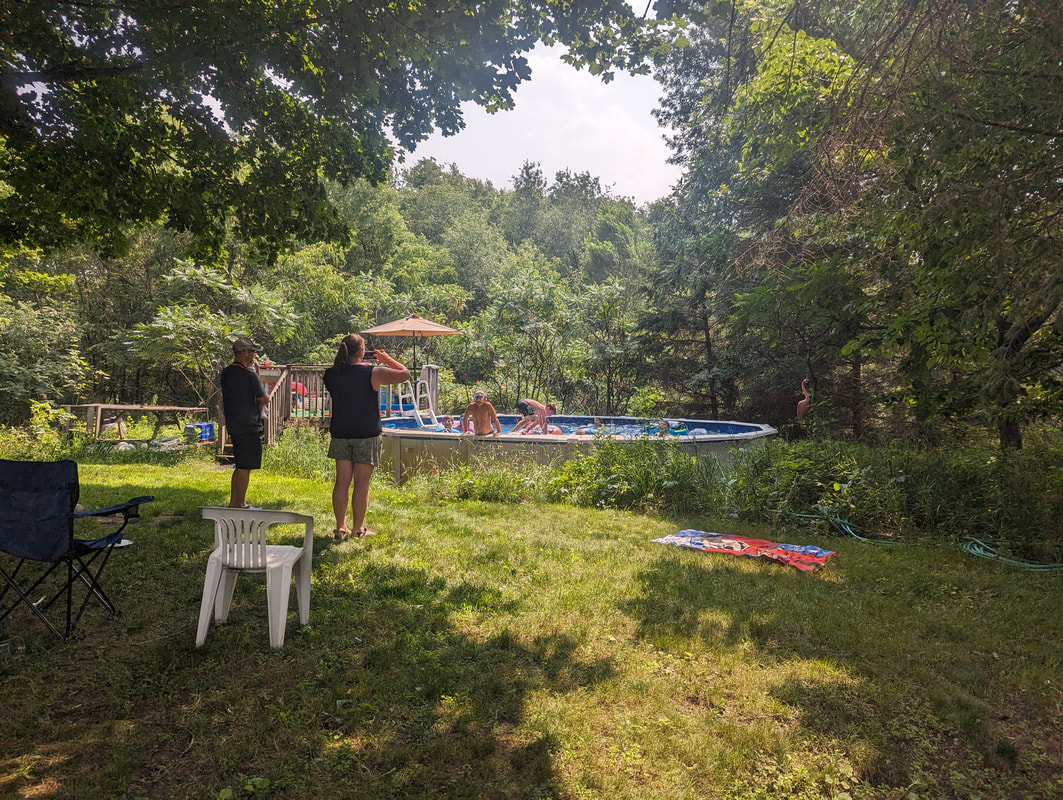
Find out more on the ACD blog or download this ACD Groundwater Specialist Request PDF. Zoom Link The Anoka County Board is currently considering the 2024 budget, including ACD's request for a Groundwater Specialist. LWV ABC as an organization does not have a position on the Groundwater Specialist. As always, LWV ABC encourages all individuals to be informed and express their personal opinion - for or against proposals - to their elected officials. Contact County Commissioners Watch County Board Meetings The LWV ABC Summer Picnic was held at President Gretchen Sabel's home in Andover on July 15, in conjunction with the celebration of her birthday. It was a lovely day, and a good time was had by all! Gretchen's family and friends were also there - kids played in the pool and bounce house, ran around and were great entertainment for all. This was also a very successful fundraiser for LWV ABC - thanks to all who donated! 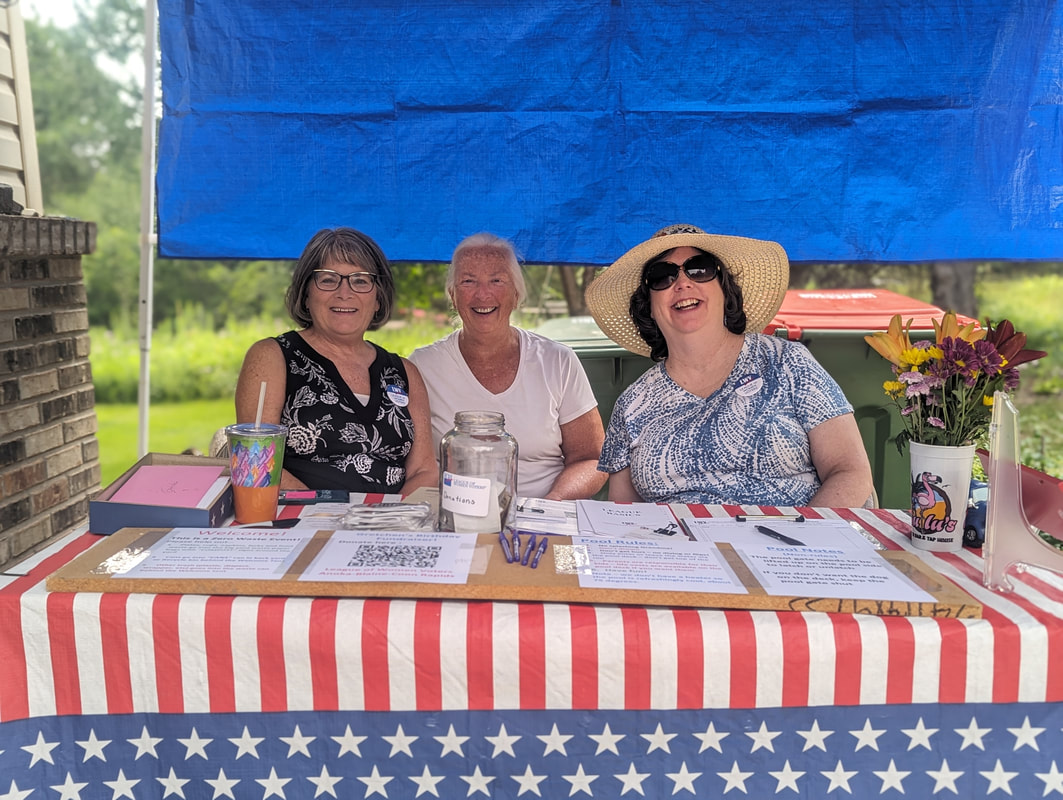 Jody Anderson and Betsy O'Berry staffed the Welcome Table Our Welcome Table staff did a great job of promoting LWV and have some prospects for new members. Left to right, from the top: Kathleen Sekhon and Paul Sitz, Olivia Paulsen, Wes Volkenant, Sandy Connor, Cindy Wetzell, (repeat, oops), Bruce Pomerantz, Geri Nelson, the Bouncehouse, Jeorgette Knoll, Leslie Waterhouse, Joan Molenaar, Julie Trude, Paula Mohr, Mary VanDerLan, Sue Dergantz, Pat Kennedy, Kathy and Mel Aanerud, Ted and Andrea Butler, the Pool, and Kathie Whelchel; all with Gretchen Sabel.
Senator Kunesh has indicated that she will be out of town and unable to speak at this meeting. LWV ABC would like to learn more about this important topic, so we will continue to see if we can find a speaker to address it. For now, however, this meeting has been indefinitely postponed.
This is the planned topic and additional resources.
Senator Mary Kunesh will update us the Missing and Murdered Indigenous Relatives (MMIR) Office. This office, part of the Department of Public Safety, is the first of its kind in the country. Senator Kunesh was the chief author of legislation to create a Missing and Murdered Indigenous Women Taskforce and the legislation to create the Missing and Murdered Indigenous Relatives Office. In 2023, MMIR completed its first annual report to the legislature. Here are links to the Taskforce Report and the recent update on progress to the Legislature.
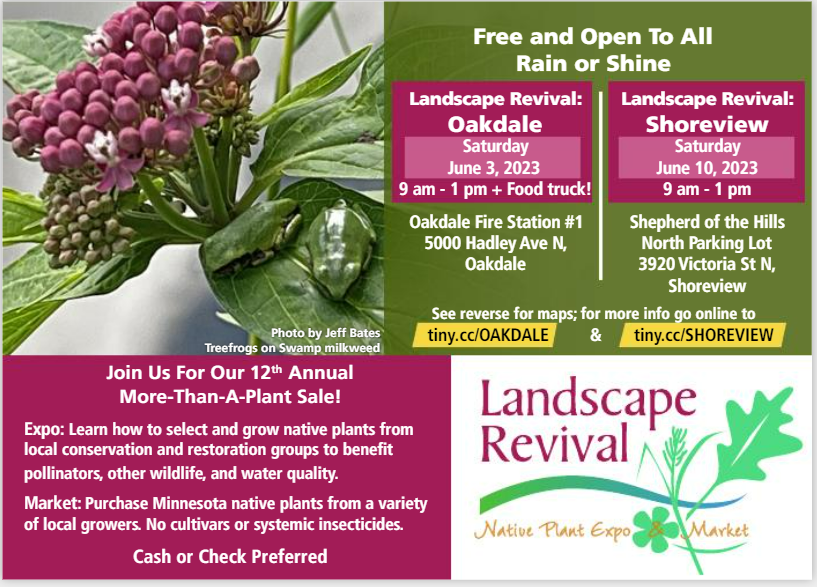
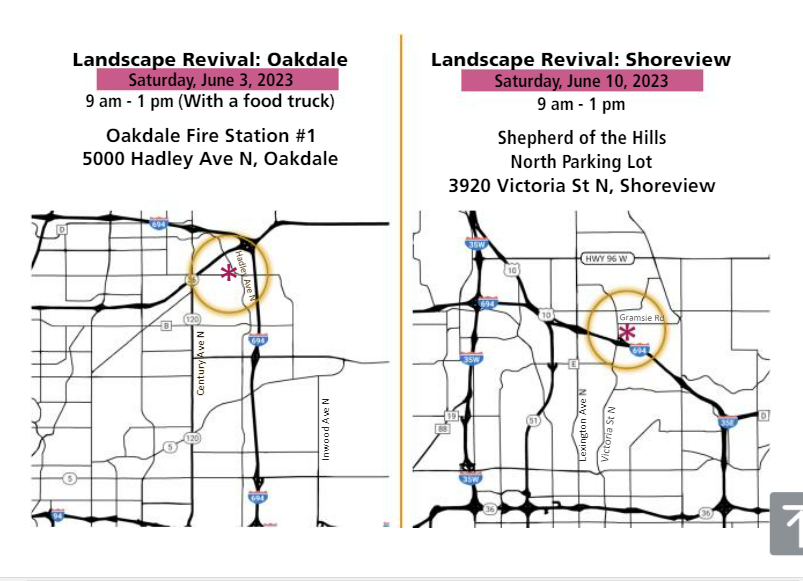
Upcoming Plant Sales in May: (from Minneapolis Star Tribune, April 30, 2023) Hennepin Technical College May 11-13: Stock up on annuals, perennials and garden staples. Vegetable varieties, as well as hanging baskets and flower containers, will also be on hand. (9 a.m. to 8 p.m.; Hennepin Technical College Greenhouse, 9000 Brooklyn Blvd., Brooklyn Park; hennepintech.edu) Champlin Garden Club May 13: Perennials, annuals, hanging baskets, potted plants, vegetables and herbs as well as garden art. (8 a.m. to 3 p.m., Willy McCoy’s parking lot, 12450 Business Park Blvd. N., Champlin; facebook.com/ Champlin Garden Club; [email protected]) Anoka County Master Gardeners May 16-17: Hundreds of varieties of native flowers and plants including vegetables and pollinator plants. (3 to 8 p.m. Tuesday; 9 a.m. to 1 p.m. Wednesday; Anoka County Fairgrounds, 3200 St. Francis Blvd. NW., Anoka; anokamastergardeners.org; 763-324-3495) Soil and Sunshine Garden Club May 19-20: Perennials, annuals, vegetables, herbs and more, many grown by club members, plus advice from on-site gardeners. (9 a.m. to 5 p.m.; 8713 Lincoln St., Blaine; northerngardener.org; 763-355-7030) If you are specifically looking for native plants, these sales in June are perfect!
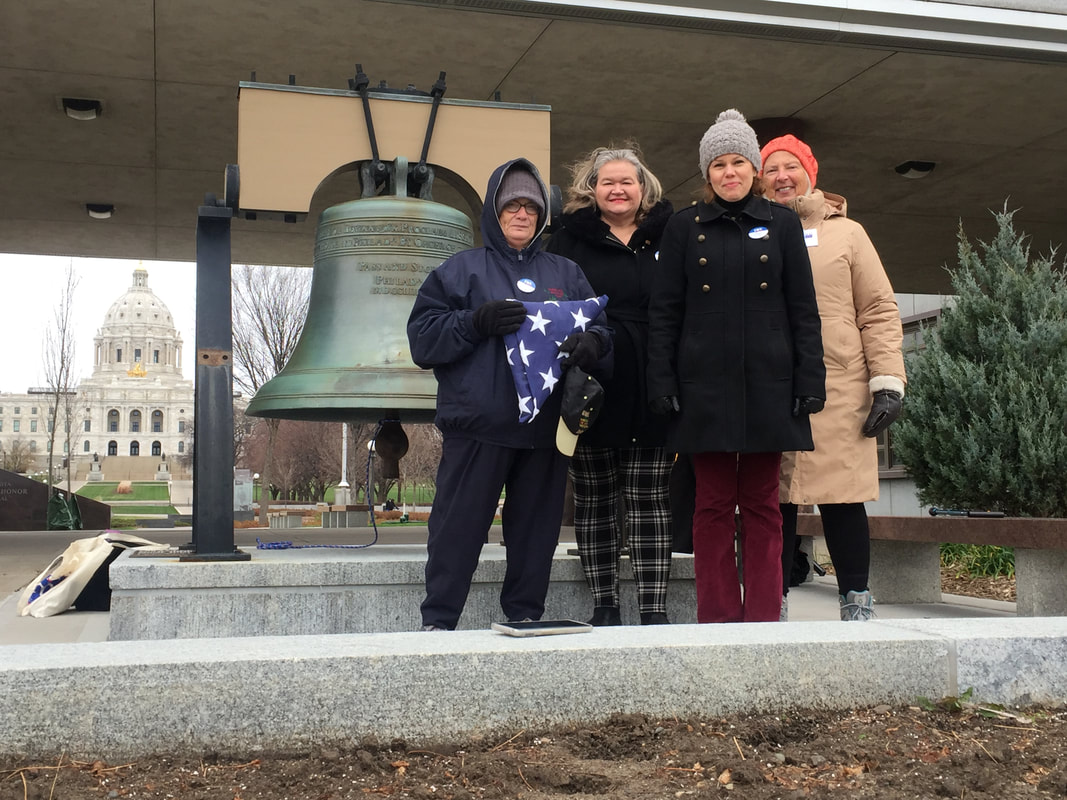 Left to right: LWV ABC's Joan Molenaar with her husband Larry's service flag, LWV MN Executive Director Michelle Witte, LWV MN Associate Director Amy Perna and Gretchen Sabel, LWV ABC member. A reporter from the Star Tribune was at this event: LWV ABC's Joan Molenaar was on the front page on Saturday. Here's a link to the article, which covered Veteran's Day events in the Twin Cities. History of Minnesota's Liberty Bell: Liberty Bell #9 was given to Minnesota in 1950. The United States Treasury Department commissioned the Paccard Foundry in Annecy, France to create 57 replicas of the famed Liberty Bell to be given to every state and territory. Minnesota is home to some of the largest bell installations in the United States. City of Bells, founded in 2015 as a 501(c)3 non-profit organization, coordinates bell ringing across Minnesota on four holidays: New Year’s Day, Memorial Day, July 4th, and Veterans Day. "Today, more than ever, our communities need to hear messages of hope, peace and comfort. Historically, bells have been used to spread messages to people in times of need and distress. Bells call people to worship, evoke the divine, call citizens to safety and sanctuary, as well as offering hope and courage. Today, City of Bells brings back the tradition of community bell ringing to mark civic occasions. As the public has grown weary with so much loss and change since the pandemic, bells offer a new way to build and maintain a sense of community. When there are no more words, the bells touch our soul, bells are the heartbeat of our community.” -Rebecca Jorgenson Sundquist, Founder City of Bells.
 The League of Women Voters was formed in the 1920's with a goal of educating voters on issues and candidates, and ensuring that voting is accessible to all adult citizens. We have continued with that work for more than 100 years, and won't be stopping anytime soon. Across the nation, local and state Leagues are holding candidate forums for city, county, state and federal offices. The forums are recorded and posted to YouTube and websites, and shown on local cable channels everywhere. Vote411.org gives you access to many of these videos nationally. If you are in Anoka County or Champlin, LWV ABC has probably conducted a forum for candidates in your area. The web address to the left (and the QR code) will lead you to the LWV ABC YouTube channel where we post all our videos, listed alphabetically by county, then city, then state. LWV Forum Rules: The League of Women Voters has strict rules to ensure that forums are objective and fair to all candidates. LWV leaders at the state and local level (League Presidents and Voter Service Chairs) are not allowed to donate to candidates; this stricture does not apply to other League members. The moderator of the event comes from outside the area so they are neutral in their work at the forum. Questions are submitted by the public through the LWV website, and the script for the moderator is developed by the moderator. The timer and event organizer are also present for the forum. The timer lets candidates know when the time is up for their answers. The organizer handles scheduling and coordinating the taping space, invites and follows up with all the candidates and cable television and resolves problems. The organizer does not control content of the forum in any way. No live audience unless we have partners: Most of the LWV ABC forums are recorded at a closed event by local cable channels for posting online and broadcast on cable TV. The recording of an LWV Meet the Candidates Forum is not a public meeting, it is an LWV event and LWV alone is responsible for determining who may attend and other rules. LWV does seek partners for our forums, to bring greater depth into the event. In those instances where League has a local partner willing to provide a location, staffing and security, the public is invited to attend in accordance with the host site's policies. LWV forum rules still apply to the moderator and script development.
We hope that you will spend time viewing the candidate forums for your area. Use this link (same as above) to find the LWV ABC forums for the 2022 General Election.  Every member of LWV is on the Voter Services Committee. We have many things to get involved with this summer - your help is needed!
Voter Registration Events Meet up with your fellow LWV ABC members to staff a table at a community event this summer. Watch for emails from Sign-up Genius announcing sign-up opportunities. Everything you need to conduct voter registration is provided; just bring your favorite lawn chair! If you want to check out all the current slots that need to be filled, click on https://www.signupgenius.com/go/805084AAEA82CA7FA7-june You can also find all of the Voter Registration events on the Calendar on our website, along with sign-up links: https://www.signupgenius.com/go/805084AAEA82CA7FA7-june. Questions? Send an email to [email protected] Meet the Candidate Forums Six cities in our LWVABC area require primaries if, by June 3rd, there are more than two candidates for one position on the ballot. In July, we'll hold Meet the Candidates for those primaries, listed below.
The LWV ABC Website now has links for the submission of online questions for the forums. Check it out here! Thanks to our members who have taken the LWVMN training for host, moderator, or question facilitation, and to those who have registered for upcoming trainings. If you want to host but haven't been trained, please contact Linda to see how we might make things work. All sessions are taped with candidates and moderator in one room without a live audience.  Keah Brown is a disability advocate and freelance writer who is best known for creating the viral hashtag #DisabledAndCute to dispel the myth that being disabled and attractive are mutually exclusive. Pop culture is one of her passions and she works to increase the visibility of people with disabilities in media in hopes it might shift the cultural view of disability. While Brown does not pretend to speak for all people with disabilities, her essays in The Pretty One, the LWV ABC May Book Club selection, raise some interesting points to think about:
Keah Brown has cerebral palsy, which causes her disability. Here's a website that provides information on identifying and living with CP: birthinjurycenter.org/cerebral-palsy/ Join the LWV ABC Book and Film Club Discussions!
 In May 2021, Sahan Journal and MPR News collaborated on series called ChangeMakers to ask this question. Civil Rights Organizer Bo Thao-Urabe described the Minnesota AAPI community as unique with over 60% are Southeast Asians who came post the wars in Southeast Asia - Laos, Vietnam, and Cambodia, and Myanmar – compared to only 10% from Southeast Asian in most states. Minnesota also has a high number of adoptions of Chinese and Korean (15,000) babies, as well as “Medical Alley” that is now bringing in a lot of educated workers from China and India. Lily Tung Crystal of Theater Mu noted that “one of the reasons why we think that the violence is happening is because other people often see Asian Americans as not truly American, or other, or even subhuman.” Community Organizer Anthea Yur wants the Asian community to confront racism head on and hoped “that we can start breaking this narrative of being the model minorities, being considered subservient. When your parents are first-generation immigrants, there is a level of survival that you’re taught. You’re taught not to resist.”
|
||||||||||||||||||||||
| LWV Upper Mississippi River Region | LWV ABC Blog |