In this video, our speakers talked about watershed restoration and how natural infrastructure is so much more effective at flood control than constructed dams, impoundments and hardscapes. An interesting Q&A followed, moderated by Jenny Whidden, Climate and Environment reporter from the Daily Herald and brief remarks by Illinois State Senator Laura Ellman, author of recent legislation to protect Illinois wetlands left unregulated by the Sackett decision. Each speaker started out by discussing their journey to becoming a water resource professional and the watersheds they are tied to. The organizations represented in this event, and the people who represented them: LWV UMRR - Gretchen Sabel, Communications Director DuPage County Stormwater Division - Sarah Hunn, Director, DuPage County Stormwater Management Forest Preserve District of DuPage County Eric Neidy, Director of Natural Resources SCARCE - Kay McKeen, Founder and President Above: Sarah Hunn, Kay McKeen and Eric Neidy
ILLINOIS, WE HAVE A PROBLEM! 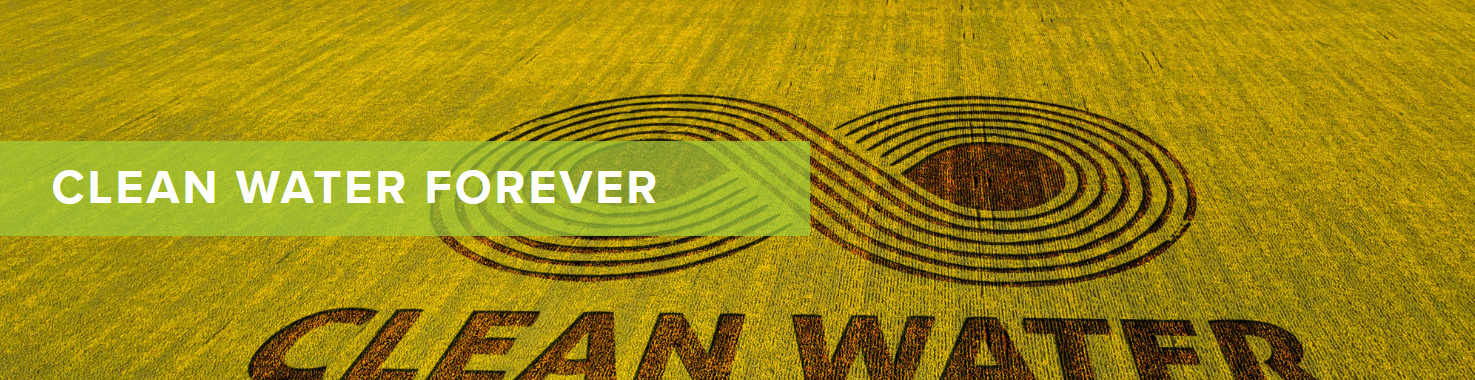 Of the streams that Illinois EPA has assessed for water quality conditions from 2020–2022:
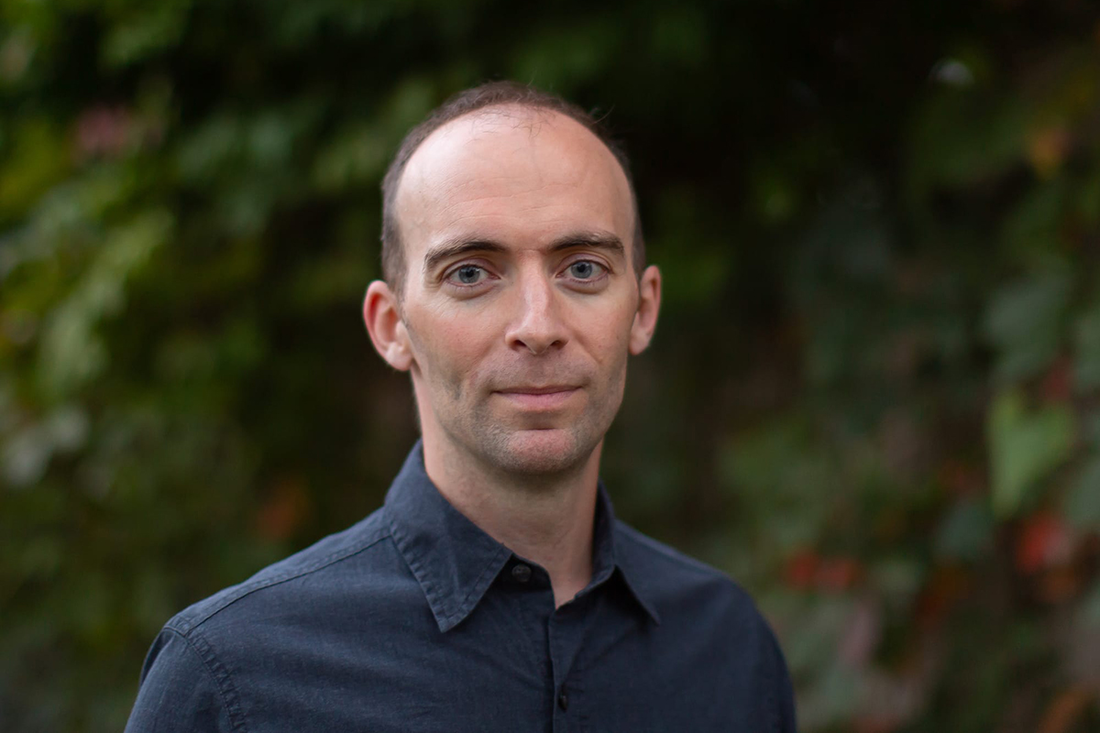
This campaign that aims to change the way Illinois thinks about and cares for its water. Starting in southern Illinois and working their way north, PRN will support downstream communities by listening to their concerns and helping to identify and implement locally-informed solutions and financial resources. Through these efforts, PRN will support communities as they build climate resiliency and advance their vision for the future. Clean Water Forever starts with telling the truth about the water quality crisis in the Midwest and ends with finding long-term solutions to protect Illinois communities. Robert Hirschfeld is the Director of Water Policy for the Prairie Rivers Network. The Prairie Rivers Network is based in Champaign, Illinois.
Illinois’ communities, rivers, and habitat. He also works on many of PRN’s communications and social media campaigns, and he produces videos and podcasts. Background: Robert joined PRN in March 2011. Before joining the professional staff, Robert was a legal intern for PRN, working on Clean Water Act compliance and enforcement. Robert sometimes dabbles in music. Education: B.A. in religion and Asian studies from the University of Puget Sound and a J.D. from the University of Illinois College of Law About the Prairie Rivers Network:
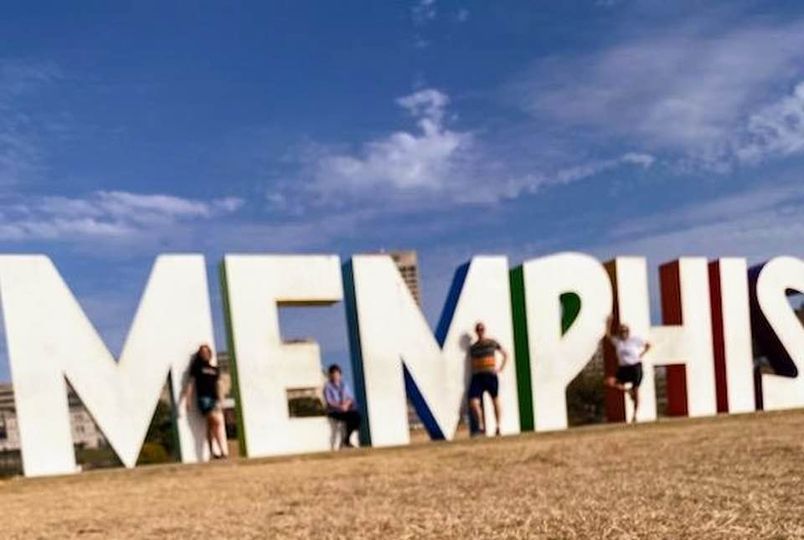
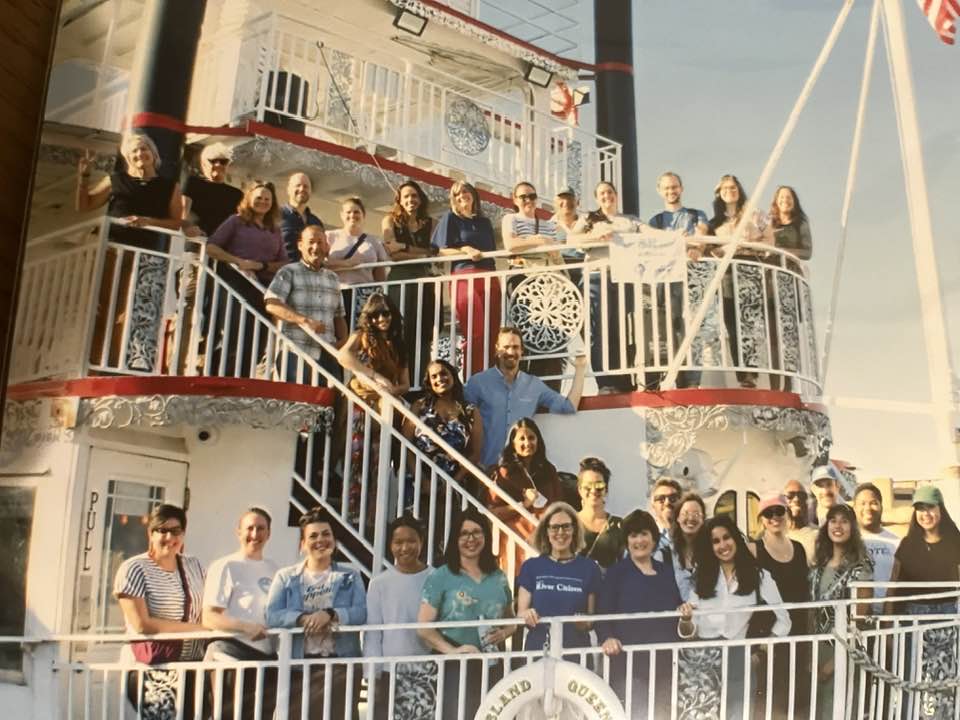
The Prairie Rivers Network works to protect water, heal land and inspire change, using the creative power of science, law, and collective action. Prairie Rivers Network is the independent, state affiliate of the National Wildlife Federation. You can read the PRN 2020-2024 Strategic Plan for more information on their mission and vision for Illinois’ rivers and streams. Here are links to information about PRN's organization: MISSION & HISTORY ACCOMPLISHMENTS BOARD OF DIRECTORS STAFF by Nancy Porter, Co Chair, LWV UMRR ILO and LWV Representative to MRN THE MISSISSIPPI RIVER NETWORK (MRN) Annual meeting was held in Memphis, Tennessee on October 24, 25, 26, 2023. The LWV Upper Mississippi River Network InterLeague Organization which represents local leagues from Iowa, Minnesota, Wisconsin and Illinois, (and currently working with Missouri) is a member of the MRN with sixty-eight (68) other groups across the nation. These member groups include Sierra Club, American Farmland Trust, American Rivers, National Wildlife Federation, Friends of the Mississippi River, Iowa Environmental Council, Tulane Institute on Water Resources Law & Policy, among many others. Our representation has grown from forty member organizations to the sixty-eight (68) current members since I have been your representative beginning in 2019. (Covid was a bleak time for all of us.) Because you belong to the LWV, you are also a member of the LWV UMRR-ILO. Our local LWVJC joins the UMRR-ILO for a $25 annual fee. MRN’s policy goal is to advance federal and state policies that promote, just, equitable, and resilient communities through: protecting and restoring ecosystem form and function, reducing impacts of agricultural and urban runoff pollution, and defending bedrock environmental legislation. At our annual meeting we plan for the upcoming year including policy and engagement and involvement and development. We hear from the MRN staff about their equity work and discuss the equity issues in our communities. We discuss and approve the 2024 policy priorities, learn about federal funding and get an update on the Mississippi River Region Initiative. We discuss education and outreach details for 2024 (the following year) and how one can participate. I have been an active member of the Engagement Committee since joining the MRN. We are fortunate to have Michael Anderson as our leader and monthly facilitator at our committee meetings. Vibrant Kelly McGinnis is our official CAO. She began the meeting this year by stating we were in need of some changes to meet new challenges. Last year we added a director of fundraising, Gretchen Hagle, Development Director. Maisah Khan is our enthusiastic and knowledgeable Policy Director. She leads through Farm Bill discussions and and actions and directs policies that promote just, equitable, and resilient communities including reducing impacts of agricultural and urban runoff pollution. Today we took a field trip on the Mississippi River by the banks of Memphis on the Island Queen. We went around Mud Island and watched two barges float by pushed by a tow boat. We went under four of the bridges that cross the River in Memphis. Two bridges were for railroad trains and two bridges were for cars.
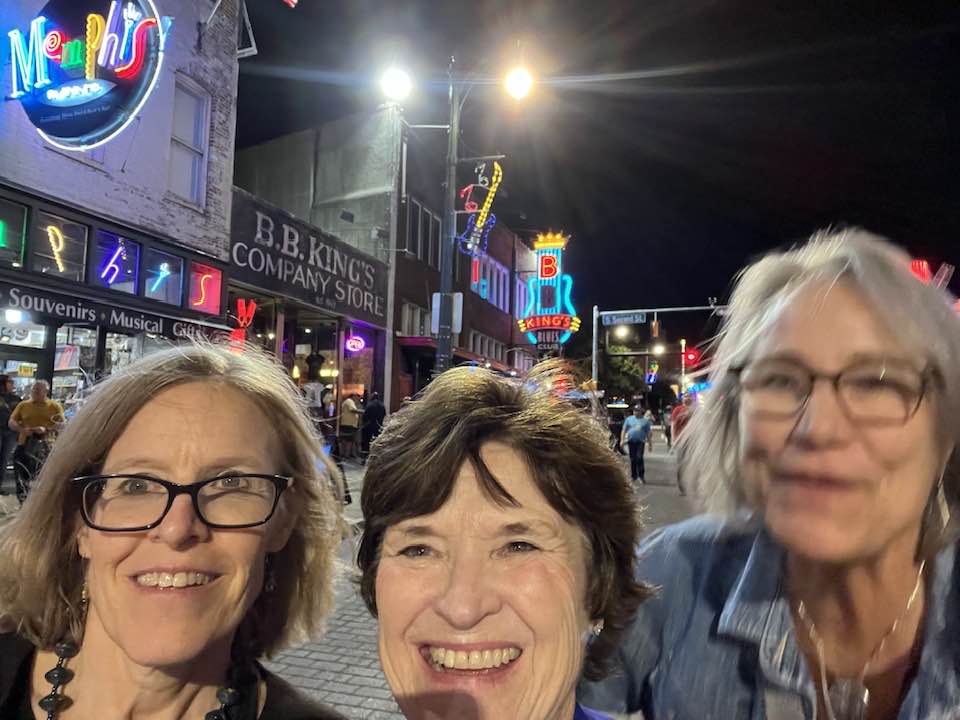
Last night we dined at a Brewery and had plenty of time for great visits with our colleagues. Games of Corn Hole and walks down Beale Street while jazz music filled the air, were part of the evening while we networked and learned from each other. Most of our brainstorming is done in small groups or pairs to generate and records our ideas. Our meeting concluded with a steering committee meeting directed by Maisah. We are full of new information and a mission to increase membership, raise funds so we can continue to develop new ideas and people to protect and sustain our Mississippi River. We have new direction for our Mississippi Days of action and celebrating the River. Our goal is to bring in more groups and create educational opportunities to allow for better understanding and more interaction. The Mississippi River is truly America’s River. It is the third largest River in the world, it furnishes drinking water for over 20 million people, it is a diverse habitat for wildlife, and the backbone of our economy. Along with weak reinforcement of water laws, land pollution from farms, factories, fertilizers, and untreated sewage our great River is in decline. Together, we can protect the River for future generations. Are you familiar with the story of the duo that RAN down the entire Mississippi River in 2019? Did you know that along the way, they deeply listened, learned, and gathered the voices and stories of 600 people? Three years later, the next chapter of the epic saga is here... On Tuesday, November 1st at 6 pm CT, join Relay of Voices via Zoom for the launch event of their all-new storytelling platform! At this event, project creator Victoria Bradford Strybicki will release the first of nine chapters and explain the power of this new interactive platform. The event is co-hosted by Mississippi River Network Outreach Manager Michael Anderson and features testimonials from River "voices" and a Q&A. Register here to receive the Zoom link! 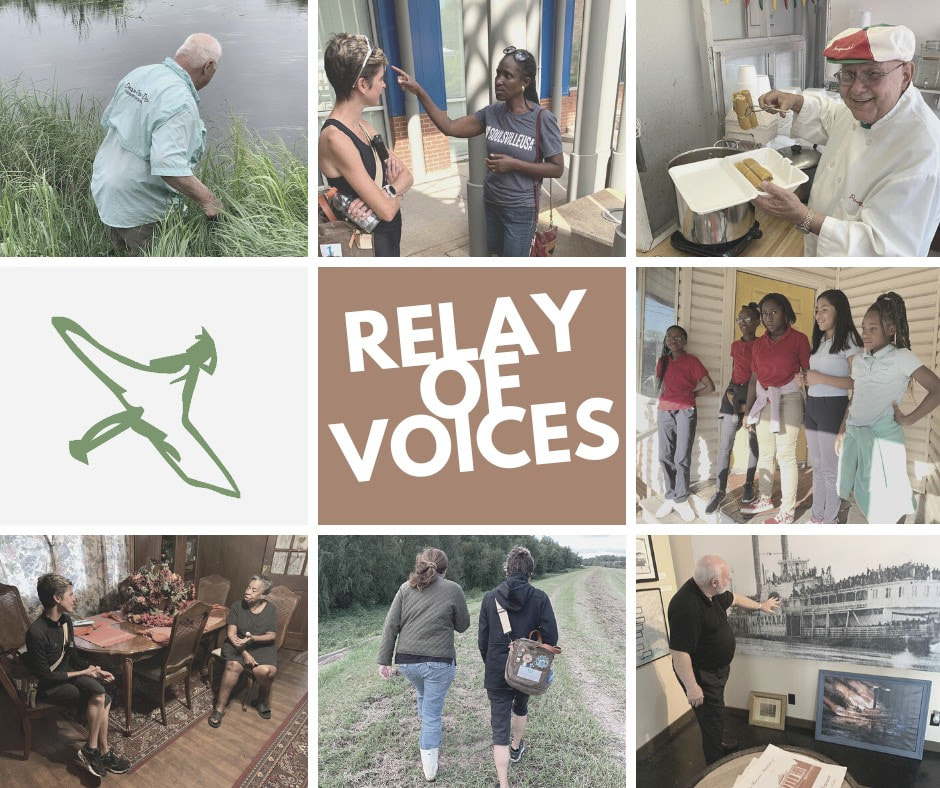 Stories are an excellent path to people's hearts, and we look forward to the unveiling of this new resource for all of us. LWV UMRR is a member of the Mississippi River Network. We thank them for their wonderful programs and diligent work on behalf of the River.
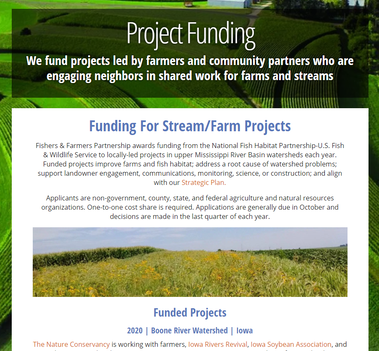
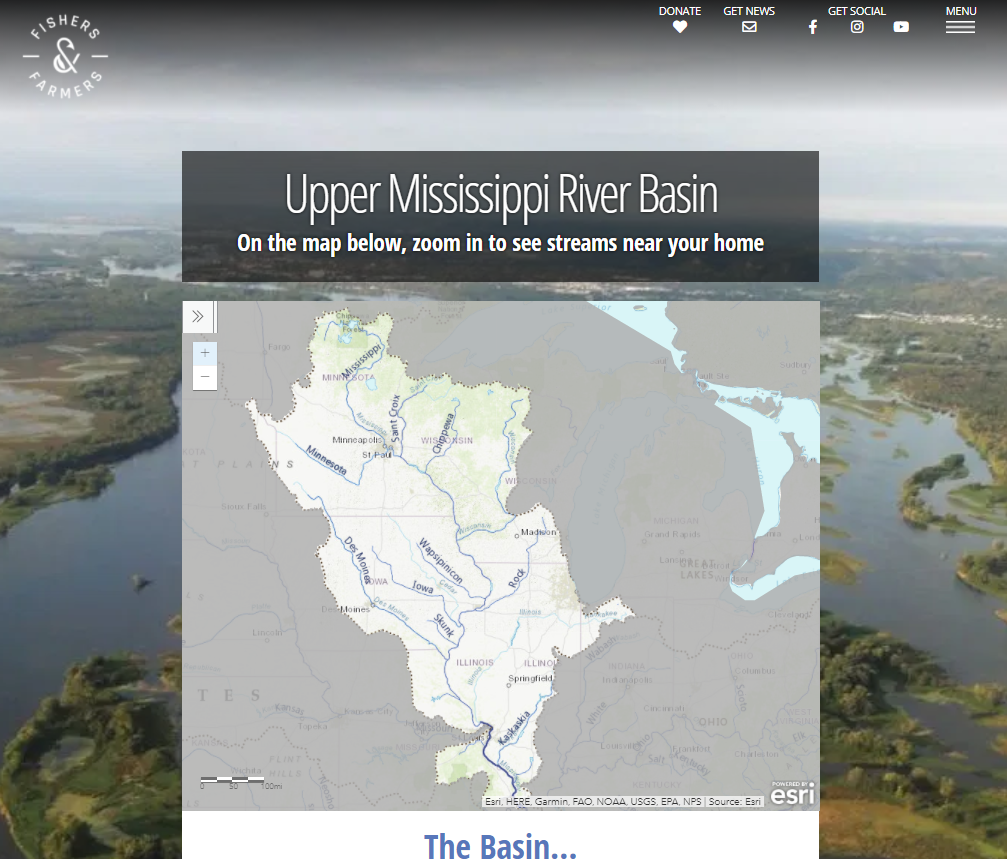
Fishers and Farmers' outreach work is helping people connect in their local watersheds around the water they share. F&F programs Online and On-Air are must-see's - click the picture below and take a look at their resources. 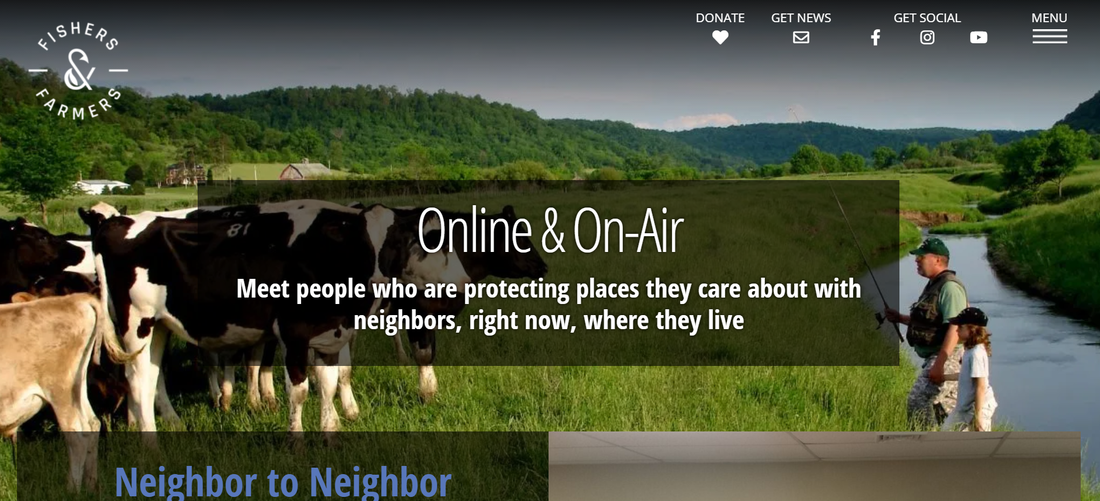 You can learn about upcoming radio programs (like the May 15 broadcast of Neighbor to Neighbor with Pam Jahnke, which will focus on the Cedar River and Black Hawk Creek watersheds) and live conversations (like Boots on the Ground, an upcoming interactive conversation on May 20 focused on the Polk County, Iowa, Soil and Water Conservation District), as well as find recordings of past sessions that take you all around the Upper Mississippi.
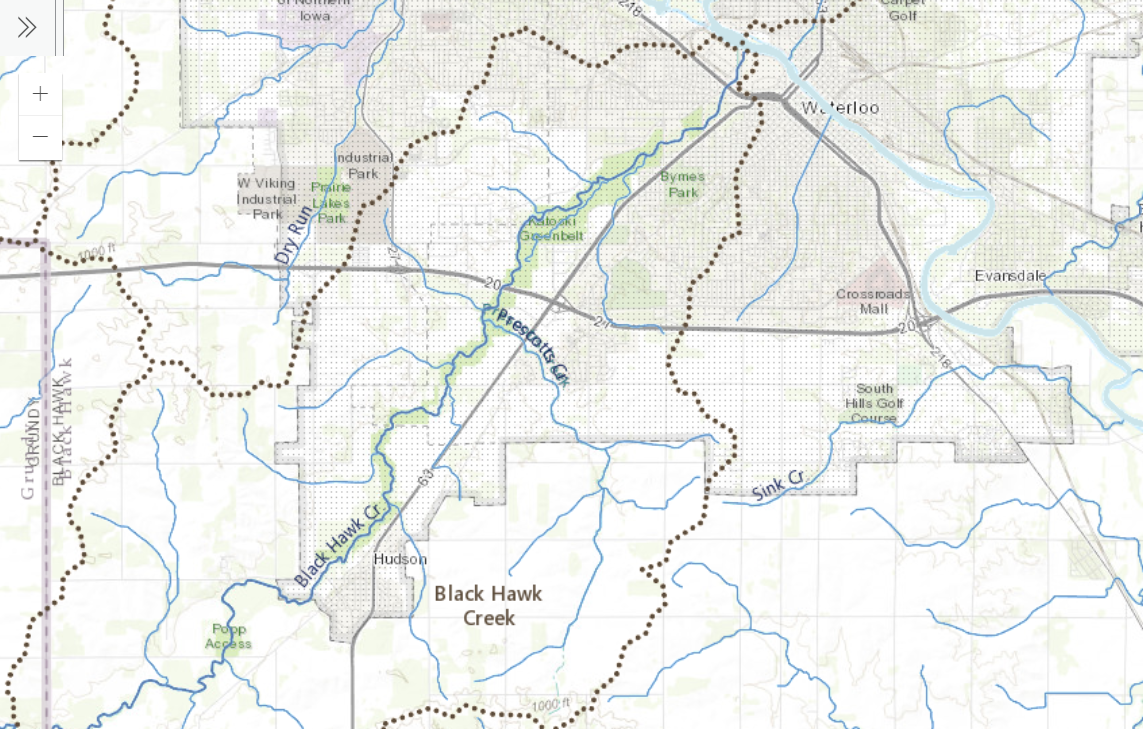 Fishers and Farmers' website has many excellent resources - take a look today! Thanks to F&F for their work to bring people together and improve soil health and water quality in the Upper Mississippi Basin!
Our February 1 meeting featured Heidi Keuler from Fishers and Farmers as one of our speakers. You can see the video from this meeting at this link. She talked about the work of this organization in bringing together people who care about the land and water to reach solutions that work for both.  Every month, Fishers and Farmers posts a podcast and a video talking about work in Upper Mississippi watersheds to advance soil health and water quality improvements. Their February events focused on the Polk County, Iowa, Soil and Water Conservation District and the work of the Peno Creek Landowner Council near Hannibal, Missouri. You can watch the video and listen to the podcast on the Fishers and Farmers website. Also on this page, you will learn of F&F's upcoming programs, and have the opportunity to participate and learn. 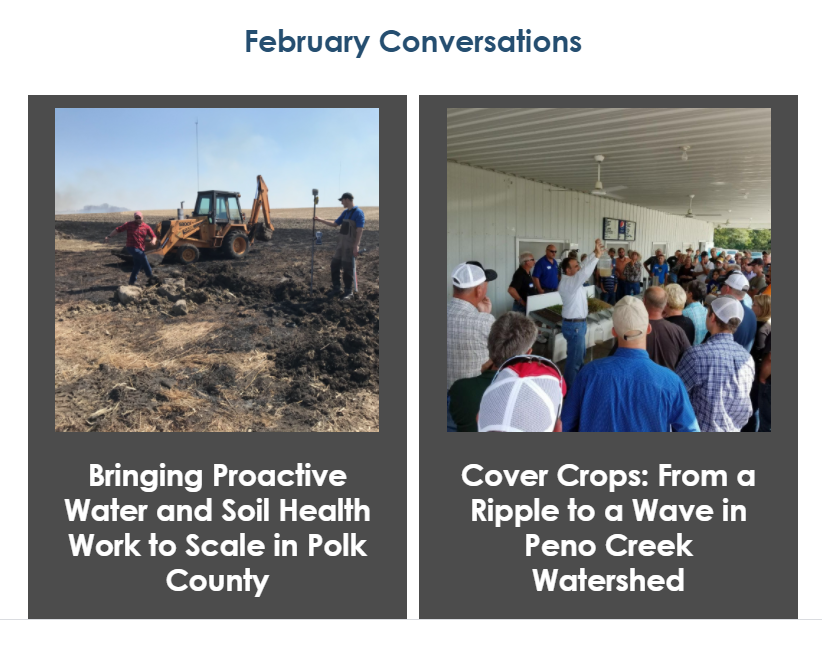 |
| LWV Upper Mississippi River Region | UMRR blog |


 RSS Feed